

Are These Myths About Buying a Newly Built Home Holding You Back?If you’ve been skipping over newly built homes in your search, you might be doing so based on outdated assumptions. Let’s

Dated: January 29 2024
Views: 6

2024

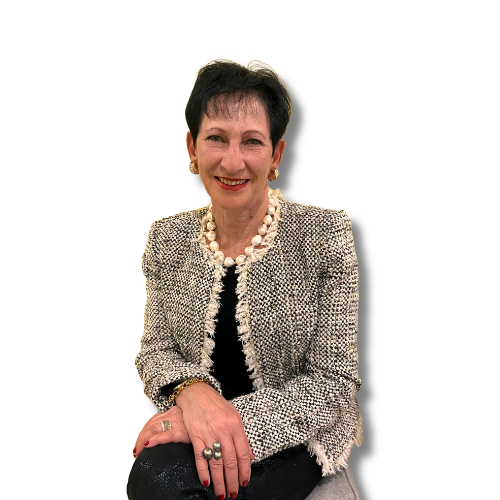
Samia Morgan
eXp Realty Luxury
DRE# 00967165
Samia S. Morgan, Inc.



"Using Technology to Bring Buyers and Sellers Together, Saving Them Time and Money!" This is Samia’s way of life!As a licensed Real Estate Broker, community leader, wife and mother, Samia ....
Are These Myths About Buying a Newly Built Home Holding You Back?If you’ve been skipping over newly built homes in your search, you might be doing so based on outdated assumptions. Let’s
A Second Home Might Be the Missing Piece in Your Retirement PlanAre you wondering if you’re on track to retire someday?According to Intuit, 69% of people say today’s financial
The Truth About Down Payments (It’s Not What You Think)Buying a home is exciting… until you start thinking about the down payment. That’s when the worry can set in.“I&rsquo
Today’s Tale of Two Housing MarketsDepending on where you live, the housing market could feel red-hot or strangely quiet right now. The truth is, local markets are starting to move in
Should you require assistance in navigating our website or searching for real estate, please contact our offices at 888-832-7179.
CA License # 00967165
IDX display powered by Inside Real Estate
 Last updated: August 14, 2025 12:49 PM UTC Property Information © 2025 MLSListings Inc. All rights reserved. Listing information is deemed reliable but not guaranteed. The data relating to real estate for sale on this display comes in part from the Internet Data Exchange program of the MLSListingsTM MLS system. Real estate listings held by brokerage firms other than Northern California - eXp Realty of Northern California, Inc. CA DRE#02188495 are marked
with the Internet Data Exchange and detailed information about them includes the names of the listing brokers and listing agents.
The information being provided by CARETS (CLAW, CRISNet MLS, DAMLS, CRMLS, i-Tech MLS, and/or VCRDS)
is for the visitor's personal, non-commercial use and may not be used for any purpose other than to identify
prospective properties visitor may be interested in purchasing.
Any information relating to a property referenced on this web site comes from the Internet Data Exchange (IDX)
program of CARETS. This web site may reference real estate listing(s) held by a brokerage firm other than the
broker and/or agent who owns this web site.
The accuracy of all information, regardless of source, including but not limited to square footages and lot sizes, is
deemed reliable but not guaranteed and should be personally verified through personal inspection by and/or with
the appropriate professionals. The data contained herein is copyrighted by CARETS, CLAW, CRISNet MLS,
DAMLS, CRMLS, i-Tech MLS and/or VCRDS and is protected by all applicable copyright laws. Any dissemination
of this information is in violation of copyright laws and is strictly prohibited.
CARETS, California Real Estate Technology Services, is a consolidated MLS property listing data feed comprised
of CLAW (Combined LA/Westside MLS), CRISNet MLS (Southland Regional AOR), DAMLS (Desert Area MLS),
CRMLS (California Regional MLS), i-Tech MLS (Glendale AOR/Pasadena Foothills AOR) and VCRDS (Ventura
County Regional Data Share)
Show More...
